




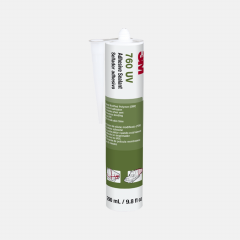
Adhesive-sealants

Cracks and crevices can become wider and narrower through materials expanding and contracting. This can be caused by fluctuations in the temperature or humidity level. With a good sealant/adhesive these cracks and crevices can be sealed for long periods.
The question is: What is the appropriate sealant/adhesive for your situation? Applications Adhesive sealants are used to glue and to grout. High demands are made of adhesive sealants, depending on the purpose for which they are used: Read more


- Sealing: sealing cracks and crevices in liquid-proof and liquid-repellent walls.
- Insulating: sealing cracks and crevices in buildings. By sealing, draft and damp are kept outside the door.
- Repel moisture: sealing seams and cracks in damp rooms.
Properties
Adhesive sealants consist of binders, fillers, pigments and other raw materials. Overall you can make a distinction between:
- Hardening sealants: adhesive sealants which harden, such as putty
- Plastic sealants: non-elastic adhesive sealants which remain soft
- Elastic sealants: adhesive sealents which can be pressed down and which then rebound.
Tapir's adhesive sealants are of industrial quality and meet ISO 11600 norms. That means that they have been tested for elasticity, adhesion, shrinkage, weather resistance and resistance to temperature fluctuations.
Adhesive sealants in Tapir's assortment
Are you looking for a sealant/adhesive for a special application? Please contact us for a customized solution.