





Shop By
Double-sided tape for industrial applications
Double-sided tape is used to bond materials such as plastic, metal and glass without drilling or screwing. It is ideal for fast assembly and creates a strong, durable and often invisible connection.
Which double-sided tape do you need?
- For plastic → choose tapes with high adhesion for low surface energy materials
- For metal → choose durable acrylic adhesive tapes
- For uneven surfaces or gaps → choose thicker foam tapes
- For flat surfaces → choose thin tapes
- For maximum strength → use VHB tapes
To achieve the best result, apply firm pressure during installation and ensure the tape matches the temperature and chemical conditions of your application.
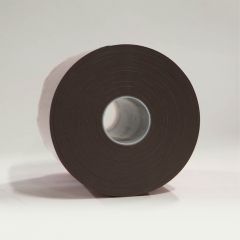
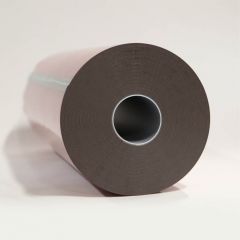
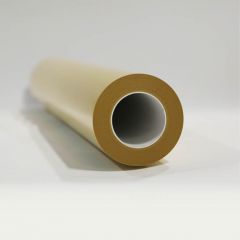

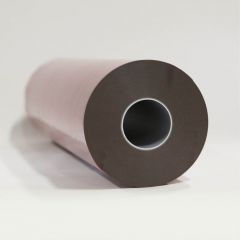
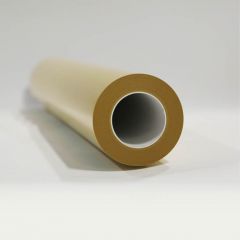
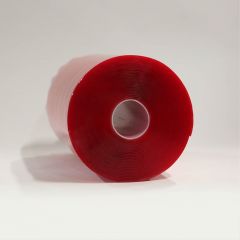
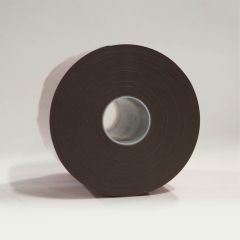
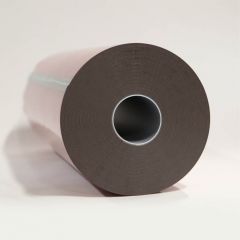
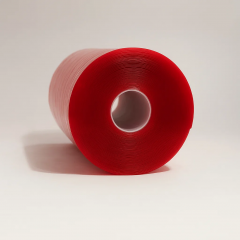

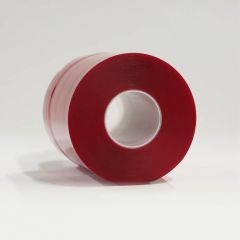
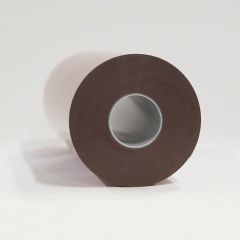
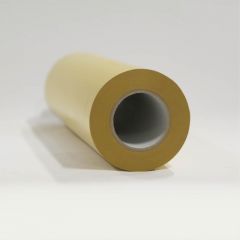
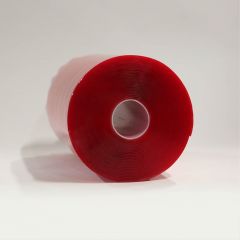
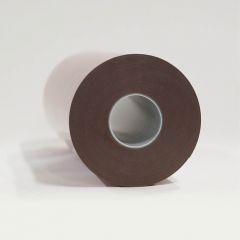
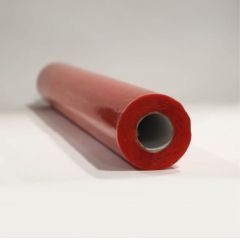
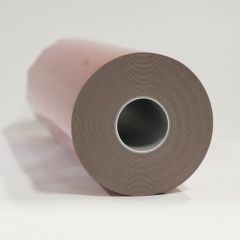
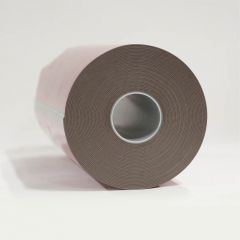
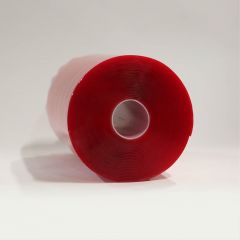
Double-sided tape for industrial applications
Double-sided tape offers high adhesive strength and is ideal for quick assembly. Select the right thickness to fill gaps; our LSE tapes even bond to PP and PE without primer.
-
Thin tapes - for flat surfaces
-
Thicker variants - for rough substrates or gaps
-
LSE series - for plastics with low surface energy
-
HSE tapes - for standard materials
-
For maximum strength - press down 1–2 times with a rubber roller (±2–3 kg)
-
Prevent failure - match temperature and chemical exposure (solvents, oils, cleaners) according to the TDS (Technical Data Sheet)
Applications of double-sided tape
- Double-sided tape for plastic
- Double-sided tape for metal
- Double-sided tape for glass
- Double-sided tape for outdoor use
- Double-sided tape for mounting and assembly
Why choose double-sided tape?
- Invisible bonding without drilling or screwing
- Suitable for both smooth and rough surfaces
- High adhesion, even under structural loads
- Faster processing in production environments
- Available in custom formats: shape, width and adhesive type
Typical applications
Double-sided tape is widely used in various industrial sectors:
- Construction & façade assembly – permanent fixing of panels and profiles
- Mechanical engineering – structural bonding and vibration damping
- Electronics – positioning of displays, components and covers
- Graphic industry – splicing, cliché mounting and printing plates
- Exhibition stand construction – temporary and cleanly removable applications
Which double-sided tape do you need?
- For plastic → choose tapes with high adhesion for low surface energy materials
- For metal → choose durable acrylic adhesive tapes
- For structural bonding → choose VHB tapes
- For uneven surfaces → choose foam tapes
- For temporary use → choose removable tapes
Technical construction of double-sided tape
The performance of a double-sided tape is determined by three key components:
Backing
The backing provides strength and thickness to the tape. We supply, among others:
- Foam backings (acrylic foam, PE, PU) – suitable for uneven surfaces
- PET, PP or paper backings – for flat, thin applications
- Transfer tapes – carrier-free, consisting only of adhesive layer
Adhesive layer
The adhesive system is selected based on substrate, load and environment:
- Acrylic adhesive – structural and durable bonding
- Rubber adhesive – high initial tack, also on difficult surfaces
- Silicone adhesive – for extreme temperatures and demanding substrates
Release liner
The liner protects the adhesive layer and is adapted to your process:
- Paper liners - easy to remove for manual application
- Film liners - suitable for automated or mechanical processing
Types of double-sided tapes
We offer a wide range of double-sided tapes, including:
- VHB tapes (Very High Bond) - structural bonding without screws
- Foam tapes - stress-distributing and suitable for uneven surfaces
- ATG tapes - for fast processing with dispensers
- Cliché and splicing tapes - for printing and paper production
- Removable tapes - for temporary applications with clean removal
- Heat-resistant tapes - suitable for temperatures up to 200°C+
Also available in various colours, widths and custom shapes. Contact us for tailored solutions, die-cut parts or project-based advice.
Frequently asked questions
Which double-sided tape is the best?
This depends on the substrate, load and environment. Our specialists will help you select the right tape for your application.
How much weight can double-sided tape hold?
As a general rule: for indoor use approximately 25 cm² per kg, and for outdoor use 60 cm² per kg due to environmental influences. Always consult a specialist to ensure optimal bonding.
How long does double-sided tape last?
This depends on the application and the type of tape. High-quality tapes such as 3M VHB or tesa ACX+ can provide durable bonds for many years.
How do I remove double-sided tape?
This depends on the type of tape. Heat is often effective, and applying controlled stress can help loosen the bond.
Request advice or samples
Not sure which tape is right for your application? We are here to help. Our specialists provide recommendations based on substrate, load and processing method.
✔ Technical advice from experts
✔ Free samples on request (B2B)
✔ Shipped from stock within 24 hours on working days
Contact us for free advice or a tailored quotation.